
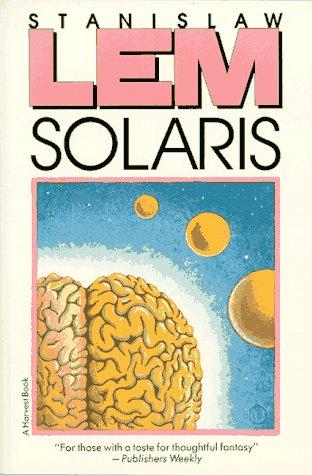
Kris Kelvin arrives at the station above Solaris expecting a routine survey and finds his mentor dead by his own hand and the two remaining scientists half unraveled. What’s actually happening is the planet’s ocean, which is most of the planet, has started manufacturing visitors, physical reconstructions of specific people pulled out of the crew’s own memories. Kelvin’s visitor is his wife, who killed herself years earlier after he left her, and the book spends the rest of its length on what you do with a person who is and isn’t the person you actually lost.
I read the Bill Johnston translation, which people online argue about constantly, apparently the earlier English version went through French first and lost things, and whatever the truth of that, this one read clean and a little austere in a way that felt right for the material. The book asks to be considered more than loved, and I mean that as praise, it’s not interested in giving you the beats of a normal first-contact story. There are long stretches of invented scholarship about the ocean’s behavior, whole chapters cataloguing decades of failed theories, and I skimmed some of it, I won’t pretend otherwise, but even skimming it you absorb the point, that contact with something genuinely alien might just mean permanent, well-documented failure to understand.
The emotional core, though, never lost me for a page. Four stars. It’s slow and it wants patience you might not have on a given night, but the ending sat with me longer than most endings do, which is the whole argument for reading it in the first place.